AC Coil Cleaning in Littleton, CO
Cleaning of the evaporator coil inside and the condenser coil outside — the two coils that move heat in and out of a home. Dirty coils cool poorly, freeze, and strain the blower.
- Air duct, dryer vent, furnace, commercial, coil & duct repair
- Littleton, Centennial, Englewood & nearby areas
- Assessment first, then a clear plan
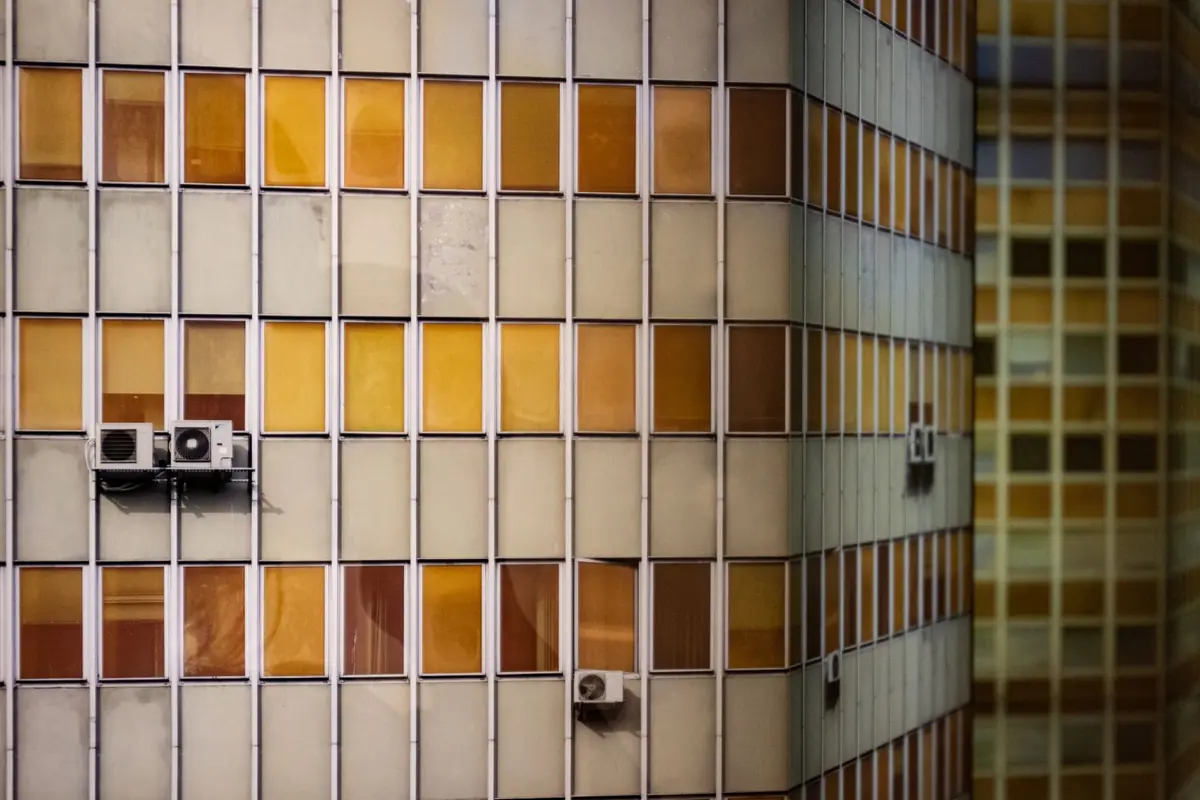
What this page covers: AC coil cleaning in Littleton, CO — cleaning of the evaporator coil inside and the condenser coil outside, the two coils that move heat in and out of a home. This page explains the signs of a dirty coil, how each coil is cleaned, how often, and what is safe to do yourself.
Published 2026-11-14 · Last updated 2026-11-14
What is AC coil cleaning in Littleton, CO?
AC coil cleaning is the removal of dust and debris from the two coils in an air conditioning system — the evaporator coil inside, above the furnace, and the condenser coil outside. Clean coils transfer heat properly; dirty coils cool poorly, freeze, and make the whole system work harder.
An air conditioner moves heat, it does not create cold. The indoor evaporator coil absorbs heat from the air passing over it, and the outdoor condenser coil releases that heat to the outside air. Dust on either coil acts as insulation — heat cannot move across a dirty coil, so the system runs longer, cools less, and strains the blower. Coil cleaning is the maintenance job that restores the coils to the condition they were designed for, and it is part of the same system as the air duct cleaning page covers.
What are the signs a coil needs cleaning?
Weak cooling, a coil that freezes over, a drain line that keeps clogging, a musty smell when the system runs, and a system that runs longer than usual. A coil caked in dust insulates it from the air passing over it — so the system runs longer and cools less.
- Weak cooling — the system runs but the rooms never quite reach temperature
- A coil that freezes over — ice on the indoor coil or on the refrigerant lines
- A drain line that keeps clogging — algae and debris in the condensate drain
- A musty smell when the system runs — dust and moisture sitting on the coil
- A system that runs longer than usual — the coil cannot transfer heat, so the cycle stretches
- Higher running time in summer — the clearest pattern of a coil that needs attention
A frozen coil is the sign most often mistaken for a refrigerant problem. Low airflow across a dirty coil drops the coil temperature below freezing, and ice builds up — so the first step is an inspection of the coil and the filter, not a refrigerant top-up. Anything involving refrigerant is professional-only work.
Evaporator coil vs condenser coil — what is the difference?
The evaporator coil sits inside, above the furnace, and absorbs heat from the air passing over it. The condenser coil sits outside and releases that heat to the outside air. Both need cleaning, but they are cleaned differently — the indoor coil is delicate, the outdoor coil is washed.
| Evaporator coil | Condenser coil | |
|---|---|---|
| Where it sits | Inside, above the furnace | Outside, in the condenser unit |
| What it does | Absorbs heat from indoor air | Releases heat to outdoor air |
| What clogs it | Dust passing the filter, moisture, microbial growth | Pollen, leaves, grass clippings, construction dust |
| How it is cleaned | Brushed and cleaned in place, delicate work | Brushed, treated with coil cleaner, rinsed gently |
| How often | Inspected yearly, cleaned when dirty | Checked every spring, cleaned at least once a year |
| DIY? | No — professional only | Yes — brush and gentle rinse |
The two coils are one loop: heat absorbed inside has to be released outside, so a dirty condenser coil makes the evaporator coil work harder, and a dirty evaporator coil makes the condenser coil work harder. Cleaning one and ignoring the other leaves half the loop dirty — which is why coil cleaning is usually done as a pair, and why the furnace cleaning page matters too, since the blower moves air across the indoor coil.
How is a coil cleaned?
The outdoor condenser coil is brushed clean, treated with coil cleaner, and rinsed gently — never with high pressure, which bends the fins. The indoor evaporator coil is brushed and cleaned in place with a no-rinse or rinse cleaner, and the drain line is cleared so water does not back up.
- InspectBoth coils are inspected first — the outdoor coil for pollen, leaves, and debris, the indoor coil for dust and microbial growth, and the drain line for clogs.
- Brush the condenser coilThe outdoor coil is brushed clean of loose debris. High-pressure water is never used — it bends the thin aluminium fins and blocks airflow permanently.
- Treat and rinseCoil cleaner is applied to the outdoor coil, left to work, and rinsed gently with a hose. The fins are checked for bending and straightened where possible.
- Clean the evaporator coilThe indoor coil is brushed and cleaned in place with a no-rinse or rinse cleaner. It is delicate work — bent fins and a damaged coil are expensive mistakes.
- Clear the drain lineThe condensate drain line is cleared so water from the indoor coil drains away instead of backing up into the furnace or the home.
- Verify coolingThe system is run and the cooling is checked — even temperatures, no freezing, no musty smell, and a drain line that flows.
Coil cleaner is a foaming chemical that lifts dust out of the fins — it is not a household cleaner, and it is not sprayed on a coil while the system is running. The practical rule is simple: the outdoor coil is a homeowner job with a brush and a gentle hose; the indoor coil is a professional job, and anything involving refrigerant stays professional-only.
How often should coils be cleaned?
The outdoor condenser coil is checked every spring and cleaned at least once a year — more often with cottonwood pollen, construction dust, or a unit under trees. The indoor evaporator coil is inspected at least once a year and cleaned when it is dirty, not on a fixed schedule.
Littleton's cottonwood season is the local factor: cottonwood fluff clogs outdoor coils fast in late spring, and a unit under trees or near a construction site loads faster than one in an open yard. The spring check is the seasonal hook — clean the outdoor coil before the cooling season starts, and inspect the indoor coil at the same visit. The indoor coil has no fixed interval: it is cleaned when an inspection shows it is dirty.
Can I clean my AC coils myself?
The outdoor condenser coil, yes — brush it clean, rinse it gently, and keep plants and debris two feet away. The indoor evaporator coil is professional-only: it is delicate, it sits above the furnace, and anything involving refrigerant is professional-only work.
Do it yourself covers the outdoor unit: turn the power off, brush the coil fins clean, rinse gently with a garden hose, clear leaves and grass clippings from around the unit, and keep plants trimmed back two feet. What stays professional: the indoor evaporator coil, anything involving refrigerant lines, and any coil that is frozen — a frozen coil needs the cause found first, and the cause is usually airflow or a dirty coil, not a refrigerant top-up.
Coil cleaning vs tune-up — what is the difference?
Coil cleaning removes dust and debris from the coils; a tune-up is a mechanical inspection and adjustment of the whole system — refrigerant levels, electrical connections, safety controls, and the blower. Coil cleaning is often part of a tune-up visit, but it is a cleaning job, not an inspection.
The two jobs overlap in the diary but not in the work. A tune-up checks the system: refrigerant levels, electrical connections, safety controls, the blower, and the thermostat. Coil cleaning cleans the coils. Many providers do both on the same visit, which is efficient — but a tune-up without coil cleaning leaves dirty coils in place, and coil cleaning without an inspection leaves a failing part undiscovered. The furnace cleaning vs tune-up comparison on the furnace page makes the same distinction for the heating side.
Will cleaning my coils lower my energy bills?
Cleaning a dirty coil restores the system's normal operation — it is not a promise of lower bills. A system with a dirty coil runs longer to cool the same rooms, so cleaning removes that extra strain. Any change in running costs depends on the system, the home, and how the system is used.
This is the honest version of a claim the trade often overstates. A dirty coil makes the system run longer, so cleaning it removes that extra running time — that much is straightforward. What it does not do is promise a specific saving: the home, the system, the thermostat setting, and the summer all matter more than the coil alone. No percentage and no saving figure is printed anywhere on this site, because no such figure can be promised for a specific home.
Frequently asked questions — AC coil cleaning
How do I know if my AC coil is dirty?
Weak cooling, a coil that freezes over, a drain line that keeps clogging, a musty smell when the system runs, and a system that runs longer than usual. A coil caked in dust insulates it from the air passing over it, so the system runs longer and cools less. An inspection of the coil shows the answer directly.
What is the difference between the evaporator coil and the condenser coil?
The evaporator coil sits inside, above the furnace, and absorbs heat from the air passing over it. The condenser coil sits outside and releases that heat to the outside air. Both need cleaning, but they are cleaned differently — the indoor coil is delicate, the outdoor coil is washed.
How often should AC coils be cleaned?
The outdoor condenser coil is checked every spring and cleaned at least once a year — more often with cottonwood pollen, construction dust, or a unit under trees. The indoor evaporator coil is inspected at least once a year and cleaned when it is dirty, not on a fixed schedule.
Can I clean my AC coils myself?
The outdoor condenser coil, yes — brush it clean, rinse it gently, and keep plants and debris two feet away. The indoor evaporator coil is professional-only: it is delicate, it sits above the furnace, and anything involving refrigerant is professional-only work.
Will cleaning my coils lower my energy bills?
Cleaning a dirty coil restores the system's normal operation — it is not a promise of lower bills. A system with a dirty coil runs longer to cool the same rooms, so cleaning removes that extra strain. Any change in running costs depends on the system, the home, and how the system is used.
Is coil cleaning part of a tune-up?
Often, yes — coil cleaning is commonly done during a tune-up visit. But it is a cleaning job, not an inspection: a tune-up is a mechanical inspection and adjustment of the whole system — refrigerant levels, electrical connections, safety controls, and the blower. Coil cleaning and a tune-up are different jobs that often happen together.
For the rest of the system, see air duct cleaning, furnace cleaning, and commercial air duct cleaning. For leaks and damage, see duct repair and sealing. General questions are on the FAQ page.
Start With an Assessment
Call and describe what was noticed, where it was noticed, and when it was first noticed. A local provider assesses first, then lays out the next steps clearly — no guesswork, no pressure.