Furnace Cleaning in Littleton, CO
Cleaning of the blower, the coil area, and the filter area — ideally every year, before heating season, before the furnace starts cycling every day.
- Air duct, dryer vent, furnace, commercial, coil & duct repair
- Littleton, Centennial, Englewood & nearby areas
- Assessment first, then a clear plan
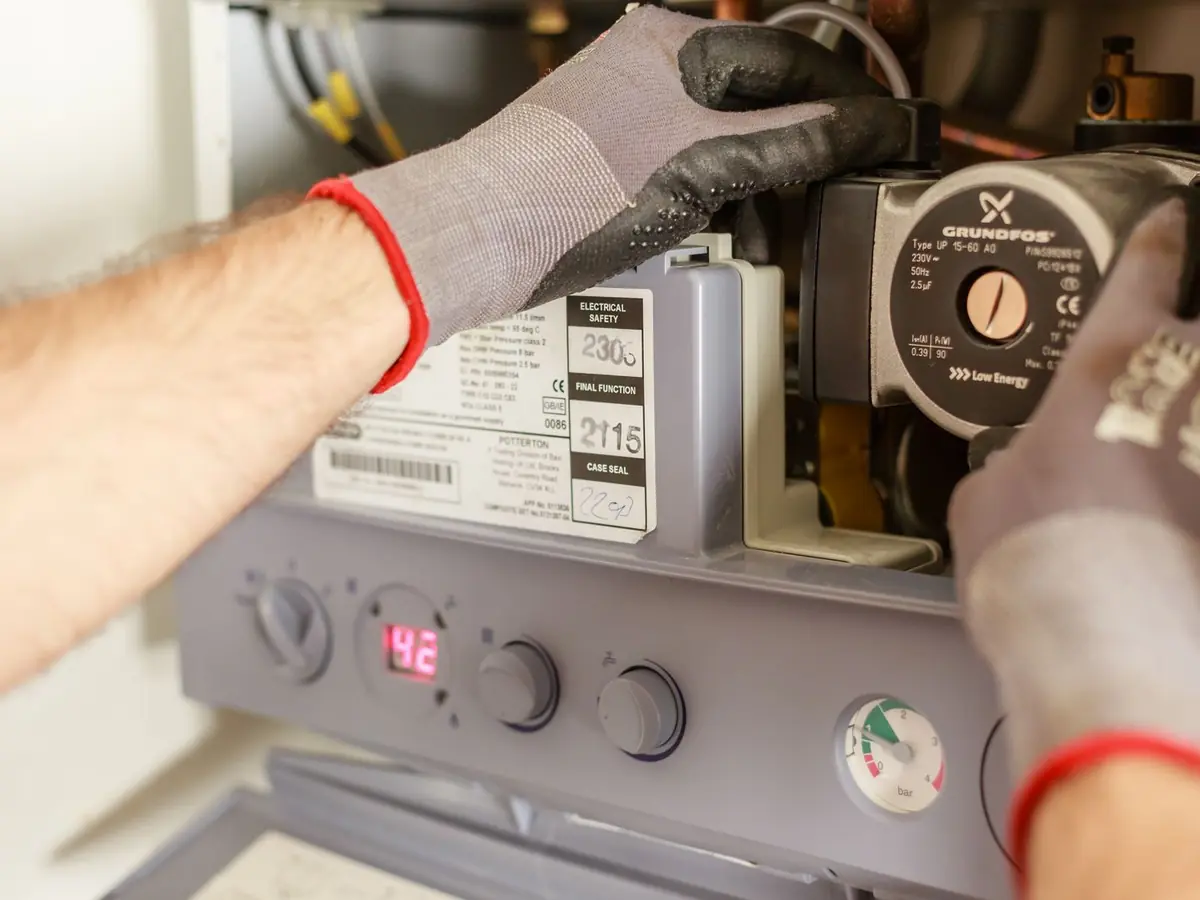
What this page covers: Furnace cleaning in Littleton, CO — cleaning of the blower compartment, blower wheel, coil area, filter area, and visible dust and debris in the furnace cabinet, ideally every year before heating season. This page explains what furnace cleaning is, how it differs from a tune-up and from duct cleaning, what it includes, and what to do yourself versus what to leave to a professional.
Published 2026-11-14 · Last updated 2026-11-14
What is furnace cleaning in Littleton, CO?
Furnace cleaning is the removal of dust and debris from the parts that move air — the blower compartment, the blower wheel, the coil area, the filter area, and the cabinet. In Littleton, furnaces run for thousands of hours each winter, so cleaning is done before heating season.
The furnace is the heart of the duct system. Air passes through it on every cycle, so a dirty furnace re-contaminates clean ducts — which is why the best duct cleanings include the furnace, and why cleaning only the ducts leaves the job half done. The air duct cleaning page covers the duct side; this page covers the furnace side.
Furnace cleaning vs furnace tune-up — what is the difference?
Cleaning removes dust and debris from the parts that move air; a tune-up is a mechanical inspection and adjustment. Cleaning covers the blower, the cabinet, the coil area, and the filter area. A tune-up covers the flame sensor, the heat exchanger, safety controls, and gas pressure. Both are annual, and neither replaces the other.
| Furnace cleaning | Furnace tune-up | Air duct cleaning | |
|---|---|---|---|
| What it is | Removal of dust and debris | Mechanical inspection and adjustment | Removal of debris from the ductwork |
| Covers | Blower, cabinet, coil area, filter area | Flame sensor, heat exchanger, safety controls, gas pressure | Supply and return ducts, trunk lines, registers |
| How often | At least once a year, before winter | Once a year | Every 3 to 5 years, or as needed |
| DIY? | Outside, filter, and registers only | No — professional only | No — professional only |
Cleaning only one part of the loop does not work well. A clean furnace pushing air through dirty ducts, or clean ducts fed by a dirty furnace, both end the same way: the same dust back in the rooms. That is the one-loop argument — the furnace and the ducts are one system, and they are cleaned together.
How often should a furnace be cleaned?
At least once a year, before heating season, for a gas furnace — and more often for an oil furnace, which produces more soot. An electric furnace runs cleaner and is deep-cleaned every 18 to 24 months. The filter is checked monthly in heating season and replaced every 1 to 3 months.
Gas furnaces are the most common type in Littleton homes, and the annual, early-fall window is the seasonal hook in this market: clean before the furnace starts cycling every day. Oil furnaces are rare in Littleton and are kept brief here — they produce more soot and heavier combustion byproducts, so they are cleaned yearly or more. Electric furnaces have no combustion byproducts, so the interval is longer.
What does furnace cleaning include?
A furnace cleaning covers the blower compartment, the blower wheel, the coil area, the filter area, and visible dust and debris in the cabinet, plus a check of the condensate drain line. The burner assembly and heat exchanger are inspected too — any adjustment or repair is separate work.
- Blower compartment and blower wheel — dust and debris removed
- Burner assembly — cleaned and checked, not a do-it-yourself job
- Heat exchanger — inspected; cracks or blockages are a safety item for a professional
- Filter area — filter checked and replaced if loaded; a clogged filter strains the whole system
- Coil area and condensate drain line — cleared, so the drain does not clog and back up
- Cold air return — dust and debris removed from the return path
What are the signs a furnace needs cleaning?
Visible dust around the vents, a musty smell when the furnace kicks on, dust returning quickly after the house was cleaned, and a furnace running longer than usual. A yellow or flickering flame and frequent on-off cycling also point to a professional visit — they can indicate a burner or sensor problem.
- Visible dust around vents, or dust blowing from vents when the furnace starts
- A musty smell when the furnace kicks on
- Dust returning quickly after the house was cleaned
- The furnace running longer than usual, or cycling on and off frequently
- A yellow or flickering flame instead of a steady blue flame
- One room freezing while another is boiling — usually blocked ducts or airflow, not the furnace itself
Why does the furnace smell when it first turns on in fall?
A faint burning-dust smell on the first autumn start is normal — dust that settled on furnace components over the summer burns off, and the smell usually fades within a day. If it lingers past the first day, or dust blows from the vents, the ducts are the likelier source, and the air duct cleaning page is the next step.
Can I clean my furnace myself?
The outside, the filter, and the registers can be cleaned by a homeowner; the blower, heat exchanger, burner area, and gas line are professional-only. Turn the power off before touching anything inside the cabinet — improper cleaning can make a problem worse.
Do it yourself covers the outside, the filter, and the registers: replace the filter on schedule, vacuum the registers and the area around the furnace, and keep the area around the furnace clear. What stays professional: the blower fan and its blades, the heat exchanger, the burner assembly, the flame sensor, and anything involving the gas line. The flame sensor is a good example — a dirty sensor causes the furnace to cycle on and off, and it is a professional service item, not a homeowner job.
What happens if a furnace is not cleaned?
Dust and debris build up on the blower, the coil, and the heat exchanger, the system works harder, and the same dust recirculates through the home on every cycle. A clogged filter is the most common cause of a system working harder, and a dirty furnace pushes dust into clean ducts.
Carbon monoxide safety
A blocked gas-dryer vent is a carbon monoxide risk, and so is a furnace with a dirty filter or a blocked heat exchanger. Carbon monoxide is colourless and odourless, so a working detector is the safety net. Any carbon monoxide alarm means leaving the home and calling emergency services.
Carbon monoxide, or CO, is a combustion gas. A furnace that is not maintained can produce it, and a blocked vent can push it back into the home. The practical steps are simple: keep the filter clean, keep the furnace and the vent clear, keep a working carbon monoxide detector in the home, and treat any alarm as an emergency. This is general safety guidance, not a claim about any specific furnace.
Does furnace cleaning help with dust in the house?
Removing buildup from the furnace and ducts cuts the dust that recirculates each time the system cycles, so the house stays cleaner between cleanings. That is general guidance, not a promise — a home with pets or construction dust will still need the ducts cleaned too.
Before winter — the seasonal window
Early fall is the window: clean before the furnace starts cycling every day, before the snow flies. Furnaces in Littleton run for thousands of hours each winter, and the first cold week is the worst time to discover a furnace full of summer dust.
Frequently asked questions — furnace cleaning
Is furnace cleaning worth it?
Yes, when the furnace has visible dust and debris in the cabinet, the blower compartment, or the coil area — which most furnaces do after a heating season. Cleaning removes buildup that recirculates through the home each time the furnace cycles. It is a maintenance job, not a repair, and it does not replace a tune-up.
How often should a furnace be cleaned?
At least once a year, before heating season, for a gas furnace — and more often for an oil furnace, which produces more soot. An electric furnace runs cleaner and is deep-cleaned every 18 to 24 months under guide recommendations. The filter is checked monthly in heating season and replaced every 1 to 3 months.
What is the difference between furnace cleaning and a furnace tune-up?
Cleaning removes dust and debris from the parts that move air — the blower, the cabinet, the coil area, the filter area. A tune-up is a mechanical inspection and adjustment — the flame sensor, the heat exchanger, safety controls, and gas pressure. Both are annual, and neither replaces the other.
Can I clean my furnace myself?
The outside, the filter, and the registers, yes. The blower, the heat exchanger, the burner area, and the gas line are professional-only. Turn the power off before touching anything inside the cabinet, and leave anything involving gas or combustion to a professional.
Duct cleaning vs furnace cleaning — do I need both?
Usually yes, together. The furnace and the ducts are one loop — a clean furnace pushing air through dirty ducts, or clean ducts fed by a dirty furnace, both end the same way. Cleaning the furnace as part of a duct cleaning is the standard approach, and the comparison table on the furnace cleaning page lays out the three jobs side by side.
Why does my furnace smell when it first turns on in fall?
A faint burning-dust smell on the first autumn start is normal — dust that settled on furnace components over the summer burns off, and the smell usually fades within a day. If it lingers, or dust blows from the vents, the ducts are the likelier source.
Does furnace cleaning help with dust in the house?
Removing buildup from the furnace and ducts cuts the dust that recirculates each time the system cycles, so the house stays cleaner between cleanings. It is general guidance, not a promise — a home with pets, construction dust, or a long gap since the last cleaning will still need the ducts cleaned too.
For the rest of the system, see air duct cleaning and dryer vent cleaning. General questions are on the FAQ page.
Start With an Assessment
Call and describe what was noticed, where it was noticed, and when it was first noticed. A local provider assesses first, then lays out the next steps clearly — no guesswork, no pressure.